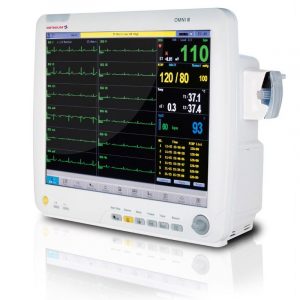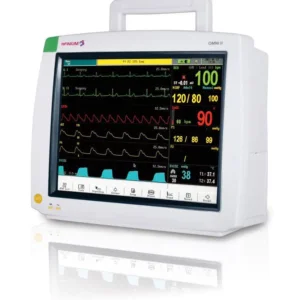
Description
Veterinary Central Monitoring
Mindray VetiNet CMS Veterinary Central Monitoring System
One central station for patient monitors, anesthesia machines, pumps, ventilators, and telemetry, from pre-op through post-op.
64
Patients online at once
1 + 1 + 8
Monitor, machine, pumps
3 stages
Pre-op to post-op
10,000+
Saved records
Overview
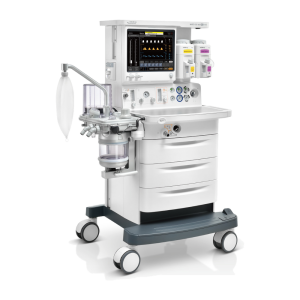
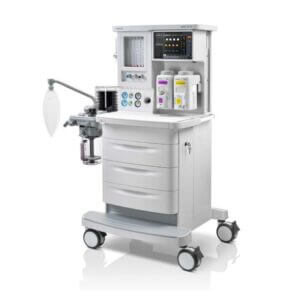
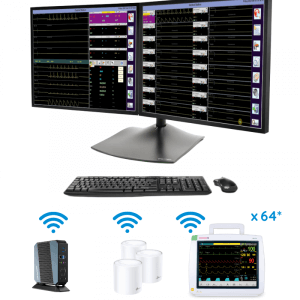
VetiNet CMS is the Mindray Animal central monitoring system for veterinary hospitals and clinics. It brings data from patient monitors, anesthesia machines, infusion and syringe pumps, ventilators, and telemetry to one central station, across pre-op, intra-op, and post-op care. Up to 64 patients can be online at once, and each patient can be set up with 1 patient monitor, 1 anesthesia machine, and up to 8 pumps.
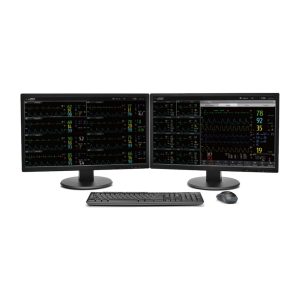
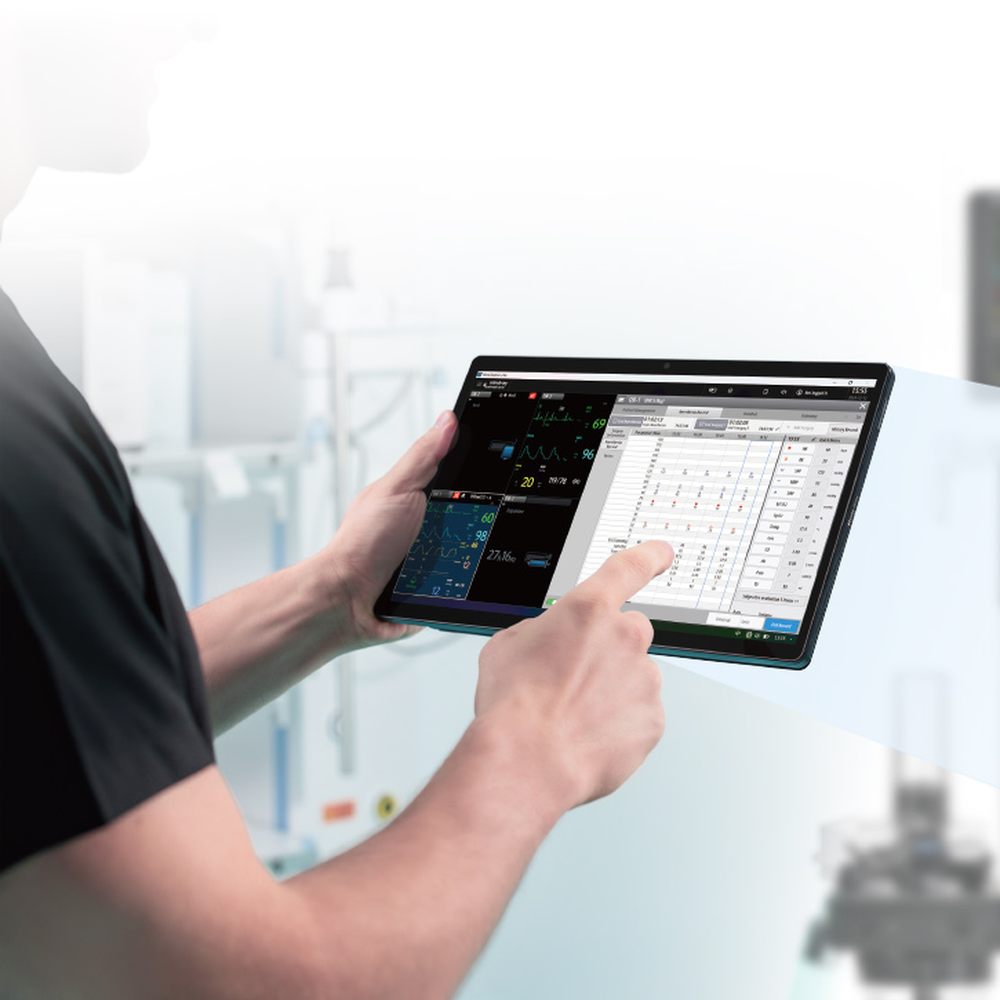
An integrated screen shows anesthesia, monitoring, and infusion status for each patient side by side, and data can be viewed from a workstation or CMS Viewer in the corridor or vet office, or on a smartphone or tablet. From the central station, staff can admit and discharge patients, sync alarm settings, start or pause NIBP, start or pause infusions, and adjust flow rates.
For surgery, VetiNet CMS builds an electronic surgical anesthesia record. It records anesthesia machine, patient monitor, and pump parameters automatically every 5, 10, or 15 minutes and exports a standardized report in one click. Full-disclosure waveforms, trend graphs, and trend tables can be saved, reviewed, and printed, with more than 10,000 records stored.
Key Features
Sync
Anesthesia machines, patient monitors, pumps, ventilators, and telemetry in one system, for up to 64 patients.
Monitor
An integrated screen per patient shows anesthesia, monitoring, and infusion status together.
Access
Save, review, and print full-disclosure waveforms, trend graphs, and trend tables, with 10,000+ records kept.
Record
An electronic surgical anesthesia record that logs device parameters every 5, 10, or 15 minutes.
Tune
Admit and discharge patients, sync alarms, start NIBP, and start, pause, or adjust infusions from the station.
Mobile viewing
Follow patients on a smartphone or tablet, or on a workstation or CMS Viewer in the vet office.
System overview
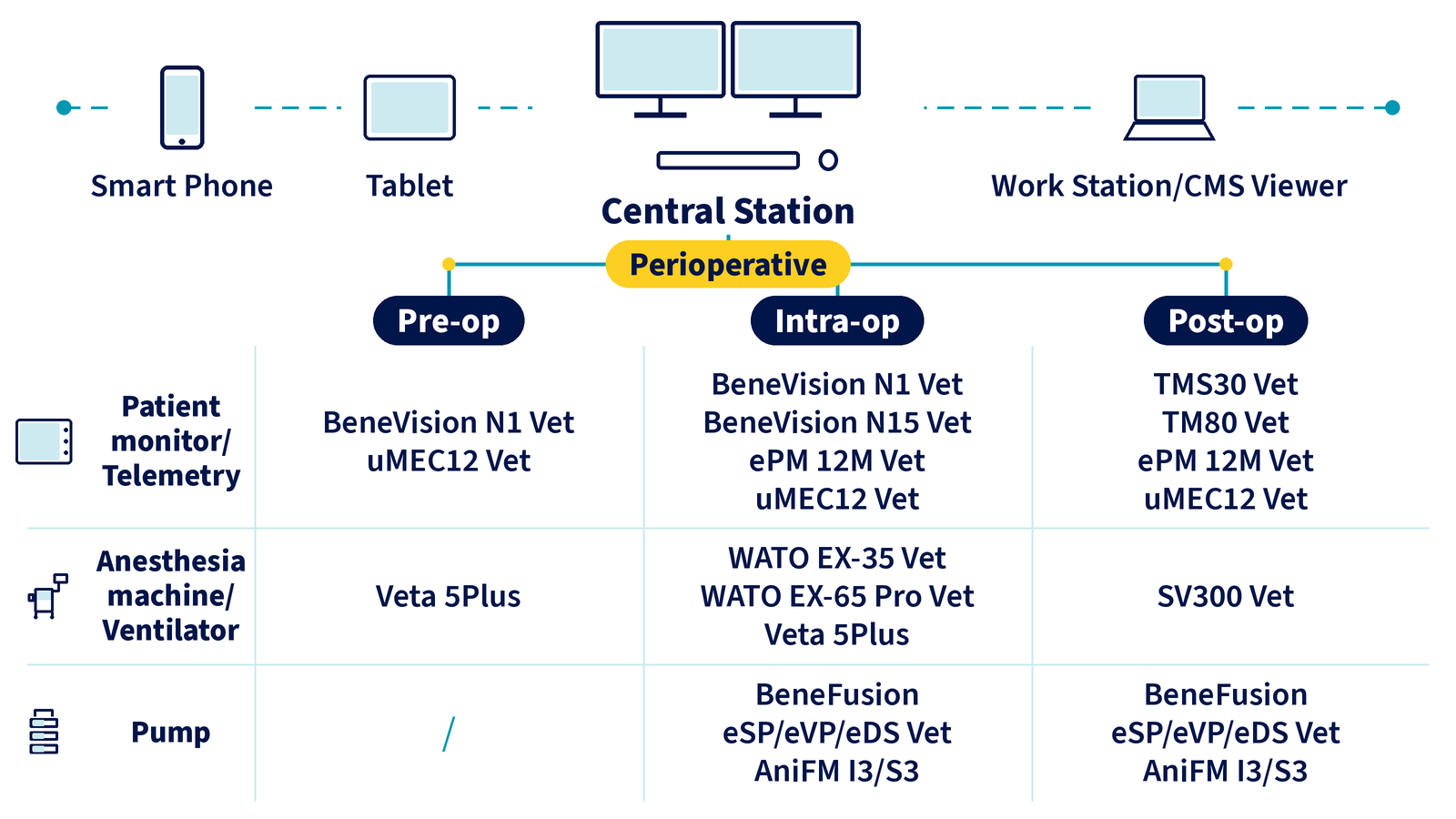
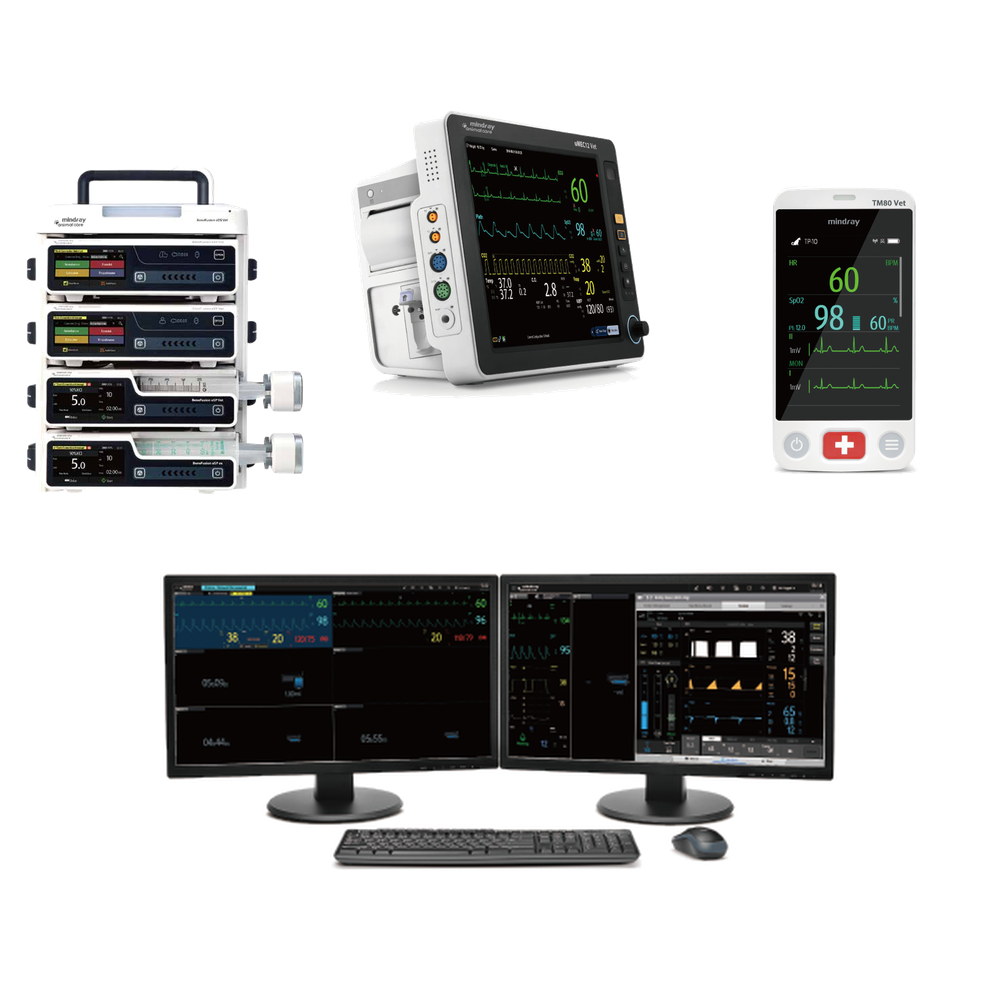
The central station connects to devices in pre-op, intra-op, and post-op areas and shares patient data with mobile devices and a workstation or CMS Viewer.
Electronic anesthesia record
Recorded automatically during surgery
Staff enter surgery, doctor, patient, and medication details before the procedure. During surgery, VetiNet CMS records these values on a 5, 10, or 15 minute schedule:
- Patient monitor: SpO2, HR, NIBP, ECG, Temp, EtCO2
- Anesthesia machine: airway pressure, tidal volume, gas flow
- Pump: fluid name, flow rate, infused volume
- Report: one-click PDF with the hospital name, logo, and contact details
Remote control
Respond from the central station
From the central station, staff can act on connected devices:
- Patient monitor: admit or discharge patients, sync alarm settings, start or pause NIBP
- Pump: start or pause infusions, adjust flow rates
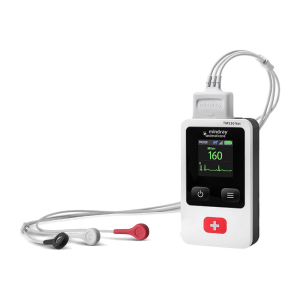
- Telemetry: admit or discharge patients, sync alarm settings
Connected devices
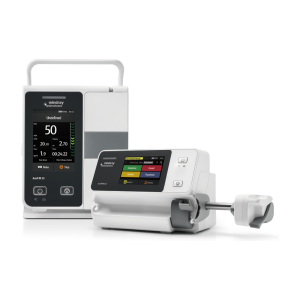
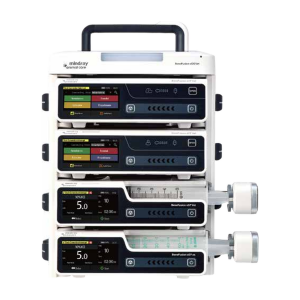
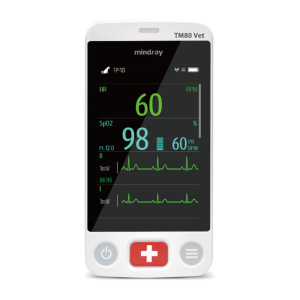
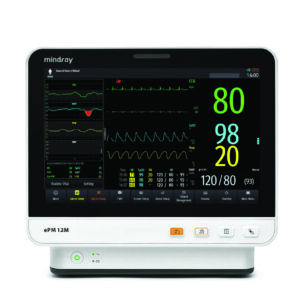
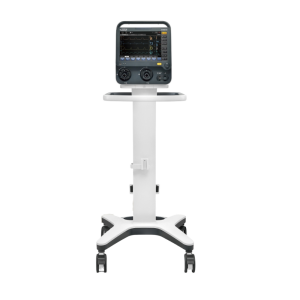
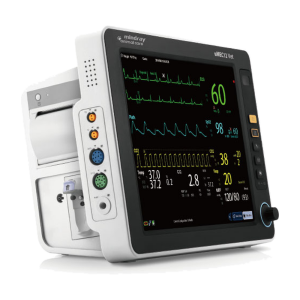
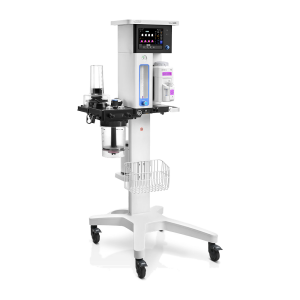
VetiNet CMS connects Mindray patient monitors, telemetry, anesthesia machines, ventilators, and infusion and syringe pumps. Each patient can have 1 patient monitor, 1 anesthesia machine, and up to 8 pumps. The SV300 Vet ventilator connects with the ICU and Ultra versions, and anesthesia machines and the anesthesia record need the OR or Ultra version. Mindray Animal also lists the BeneVision N1 Vet and BeneVision N15 Vet patient monitors for VetiNet CMS.
Available options
- VetiNet CMS OR: up to 16 patients; anesthesia record, anesthesia machines, monitors, pumps, telemetry
- VetiNet CMS ICU: up to 64 patients; monitors, pumps, telemetry, ventilators
- VetiNet CMS Ultra: up to 64 patients; all device types and the anesthesia record
Veterinary Applications
Mindray Animal shows VetiNet CMS in the operating room, where one supervisor can follow several surgeries with fewer trips into the OR, and in wards and ICU, where staff can check patients with fewer trips into isolation areas.
- Supervising several operating rooms
- Induction, pre-op, and post-op areas
- Isolation wards
- Feline and canine wards
- ICU monitoring
- Night-time nursing