Veterinary medicine has made significant advancements in recent years, and anesthesia plays a pivotal role in ensuring the well-being of animals undergoing medical procedures. To achieve safe and effective anesthesia delivery, veterinarians rely on sophisticated anesthesia machines and specialized accessories, such as the Bain circuit adapter. This article explores the basics of the Bain circuit adapter, its compatibility with different anesthesia machines, its applications in veterinary medicine, and the primary benefits it offers to practitioners and their animal patients.
Understanding the Bain Circuit Adapter
The Bain circuit adapter is a vital component used in veterinary anesthesia to facilitate controlled delivery and scavenging of inhaled anesthesia. It is an essential accessory designed to connect the anesthesia machine to the patient and incorporates a unique coaxial design. The adapter ensures efficient inhalation anesthesia by delivering a fresh mixture of oxygen and anesthetic gas to the patient while efficiently removing waste gases.
The coaxial design of the Bain circuit adapter allows the inspiratory and expiratory limbs to run parallel, reducing dead space and enhancing gas exchange efficiency. This design also helps minimize resistance to gas flow, leading to smoother anesthesia administration.
Compatibility with Anesthesia Machines
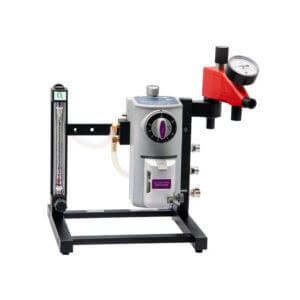
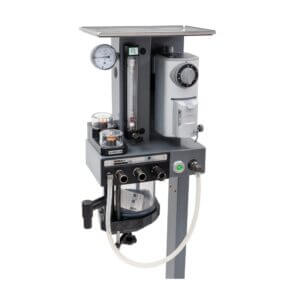
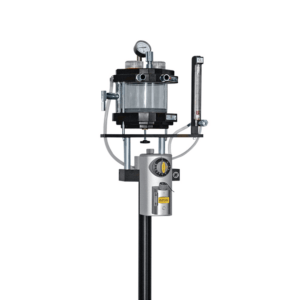
The Bain circuit adapter is versatile and compatible with any veterinary machine that uses a fresh gas line. In practical terms this is the majority of machines on the market. Its standard connectors allow easy integration with machines that have standard ISO female connectors. This compatibility ensures seamless operation and can easily be switched between different anesthesia systems, enhancing flexibility in veterinary practices.
Appropriate Animals for Bain Circuit Use
The Bain circuit adapter is widely used across different animal species in veterinary medicine. It is particularly beneficial for smaller animals, including cats, dogs, rabbits, and other small mammals. The adapter’s efficient gas exchange and reduced dead space are especially advantageous in patients with low tidal volumes and high respiratory rates, common characteristics in smaller animals.
Primary Benefits to Practitioners and Patients
a. Enhanced Patient Safety
One of the most significant benefits of using a Bain circuit adapter in veterinary medicine is the enhanced safety it provides to animal patients. The coaxial design reduces the risk of gas leaks and minimizes the exposure of veterinary staff to waste anesthetic gases, promoting a safer working environment. Reduced gas leakage also ensures that the patient receives an accurate and consistent concentration of anesthetic agents, contributing to a more stable anesthesia experience.
b. Improved Anesthesia Delivery
The Bain circuit adapter’s unique design facilitates a low-resistance gas flow, resulting in more precise control over anesthesia administration. This improved control allows veterinarians to adjust the anesthetic concentration to meet the specific needs of the patient, ensuring optimal depth of anesthesia while minimizing the risk of over- or under-anesthetizing the animal.
c. Efficient Waste Gas Scavenging
Proper waste gas scavenging is essential to prevent exposure to waste anesthetic gases, both for the animal patient and the veterinary team. The Bain circuit adapter’s coaxial configuration efficiently removes exhaled gases from the patient’s breathing circuit, reducing environmental contamination and promoting a safer workplace for veterinary staff.
d. Cost-Effectiveness
Despite the initial investment, incorporating a Bain circuit adapter into a veterinary anesthesia setup can lead to long-term cost savings. The improved efficiency in gas delivery and scavenging can result in reduced anesthetic agent consumption, leading to lower operational costs over time.
e. Reduced Environmental Impact
Ethical and sustainable veterinary practices extend to minimizing the environmental impact of anesthesia procedures. The Bain circuit adapter’s efficient waste gas scavenging contributes to reducing the release of anesthetic agents into the atmosphere, making it an environmentally responsible choice for veterinary practices.
The use of a Bain circuit adapter is a valuable addition to any veterinary anesthesia practice. Its coaxial design, compatibility with different anesthesia machines, and applications across various animal species make it an essential tool in delivering safe and effective anesthesia to patients. By enhancing patient safety, improving anesthesia delivery, promoting waste gas scavenging, and reducing the environmental footprint, the Bain circuit adapter plays a crucial role in elevating the standards of veterinary care and ensuring the well-being of animal patients. Veterinarians who incorporate this innovative accessory into their anesthesia protocols can confidently provide quality care while minimizing risks during medical procedures.