Description
Breathing Accessories
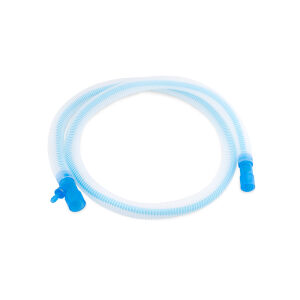
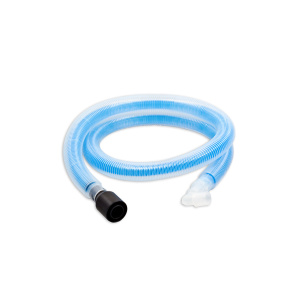
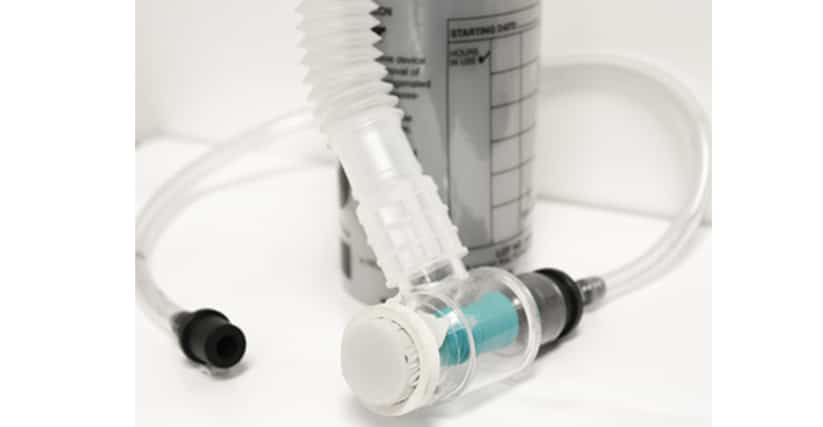
Mouse Coax Anesthesia Breathing Circuit
A coaxial, non-rebreathing circuit for mouse and small rodent anesthesia at ultra-low flows.
Coaxial
Circuit type
1.06 oz (30 g)
Dead space target
15 mm
Standard connectors
Autoclave
Tubing cleaning
Overview
The Mouse Coax is an anesthesia breathing circuit for mice and other small rodent species. It is a coaxial, non-rebreathing circuit with minimal dead space, optimized for animals of 1.06 oz (30 g) or less, and it supports the ultra-low gas flows used in small animal research.
The coaxial layout follows Mapleson-style breathing systems and conserves heat and humidity. Flexible, autoclavable medical-grade tubing and standard 15 mm (0.59 in) connectors fit most vaporizer and fresh gas outlets.
Key Features
Minimal dead space
Optimized for animals of 1.06 oz (30 g) or less, so less gas volume sits in the circuit.
Coaxial, non-rebreathing
Mapleson-style layout that conserves heat and humidity.
Ultra-low flow support
Runs at the low gas flows used for small animal research.
Autoclavable tubing
Flexible medical-grade tubing. Clean with standard disinfectants or autoclave the components.
15 mm connectors
Standard 15 mm (0.59 in) fittings fit most vaporizer and fresh gas outlets.
Scavenging compatible
Works with scavenging systems to capture waste anesthetic gas.
Veterinary Applications
The Mouse Coax delivers anesthetic gas for mouse and small rodent work in research and teaching settings.
- Rodent surgery labs: microsurgical procedures
- Preclinical research facilities: reproducible anesthetic protocols in controlled studies
- Veterinary academic institutions: lab animal care and anesthesia training
- Biomedical research: imaging, physiology, pharmacology, and disease modeling in mice
- Rodent dentistry and imaging: anesthesia during precision diagnostic or therapeutic tasks