
Stainless steel products play a crucial role in veterinary facilities, providing durability, hygiene, and resistance to corrosion. From surgical instruments to furniture and equipment, stainless steel is widely used due to its unique properties. However, like any material, stainless steel requires proper care and maintenance to ensure its longevity and performance. Below we cover the different types of stainless steel products found in animal health facilities, identify common causes of wear and tear, discuss methods to avoid and reduce damage, and provide guidelines for the proper cleaning of veterinary stainless steel products, equipment, and furniture. Check out 10 Pro Tips Below
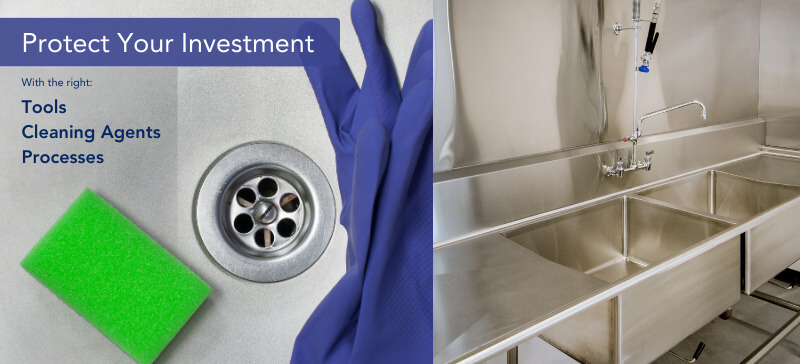
Types of Stainless Steel Products Found in Veterinary Facilities
Veterinary facilities encompass a wide range of stainless steel products, each serving a specific purpose. Here are some common examples:
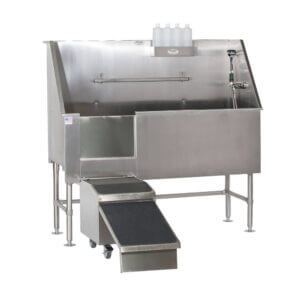
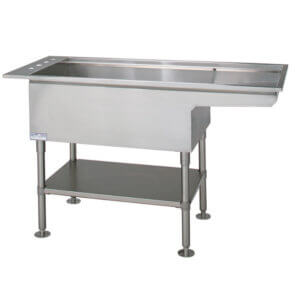
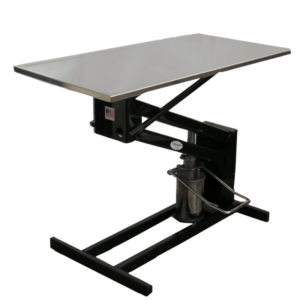
Tubs & Vet Tables: Stainless steel is widely used in pet washing and wet table areas due to its non-reactive nature, resistance to corrosion, and ease of sterilization.
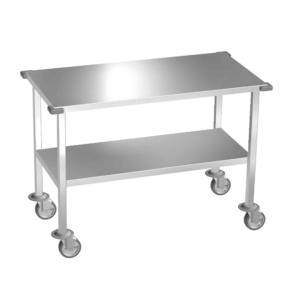
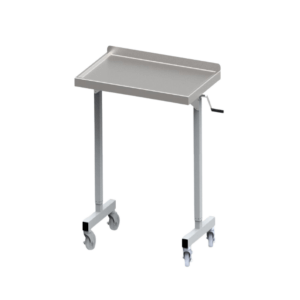
Veterinary Medical Equipment: Stainless steel is utilized in equipment such as examination and surgical tables, trolleys, stands, and trays, providing durability and ease of cleaning.
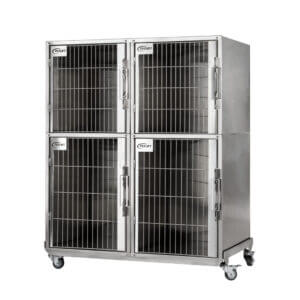
Furniture & Cages: Stainless steel furniture, including cages, cabinets, and shelving units, is prevalent in veterinary facilities due to its robustness, cleanliness, and modern aesthetic appeal.
Sinks and Basins: Stainless steel sinks and basins are crucial for maintaining cleanliness and hygiene in medical facilities, as they are resistant to stains, chemicals, and bacterial growth.
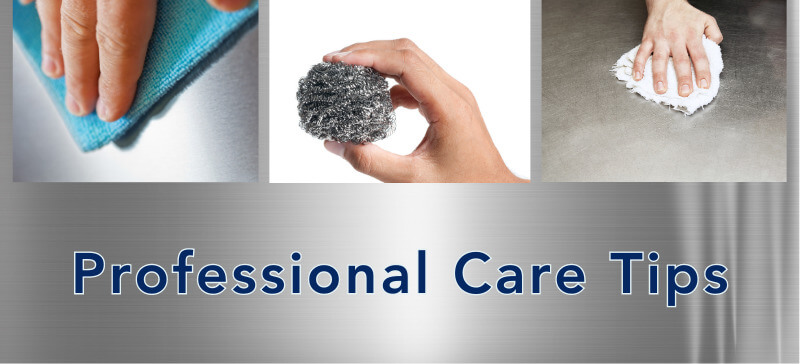
10 Pro Tips for Stainless Cleaning
In Veterinary facilities stainless steel surfaces are constantly on the front lines in active patient and staff areas and are subject to very frequent use and subsequent cleaning. Because cleaning is such a critical part of disinfection, day-to-day operations, and the life of the equipment here are some helpful tips to make the most of your process:
- Do use non-abrasive tools: Soft cloths, wood, or plastic scouring pads, ( if critical use stainless steel pads** for tough stains ). Always clean or scrub in the same direction of visible polish marks.
- Do use alkaline, alkaline chlorinated, or non-chloride cleaners.
- Do clean frequently to avoid build-ups of stubborn stains.
- Do use soft water if possible to reduce deposits. Consider water filters to eliminate corrosive elements.
- Do use protective coatings when applicable such as wax for added shine and protection.
- Do act quickly Irreversible damage and pitting will develop quickly after the appearance of rust spots and discoloration. Immediately treat these areas with brass, silver, or chrome cleaner. For a second treatment use a mild abrasive cleaner such as Bon Ami or Ajax in the direction of polish marks. If this is not enough scrap the area with wood or plastic scrappers, or stainless steel pads. Always rinse thoroughly and wipe dry.
- DON’T let cleaning agent stand on stainless steel, rinse thoroughly and wipe dry immediately allowing to air dry.
- DON’T use steel wool pads**, sandpaper, wire brushes or metal scrappers.
- DON’T leave in contact with metal like iron or steel that can lead to contamination and corrosion.
- DON’T use BLEACH, quaternary salts, hydrochloric acid or harsh acid based chemicals, or mineral acids. Don’t have in proximity to any chlorine product.
** Don’t confuse stainless steel cleaning pads with steel wool pads. Stainless is suitable depending on circumstance but steel wool will stratch and remove the protective stainless coating.
Recommended Stainless Cleaning Applications & Agents
There are several products well suited for stainless steel cleaning and maintenance. These brands have been used in a wide variety of settings where numerous cleaning needs are balanced with the need for staff and patient safety. Here are a few examples of products suitable for stainless use in veterinary applications:
| Cleaning Application | Cleaning Agent | Comments |
|---|---|---|
| Routine cleaning & disinfection | Soap, ammonia, detergent, Medallion™, Foamquat™ | Soft cloth or sponge |
| Fingerprints & smears | Arcal 20™, Lac-O-Nu™, Ecoshine™ | Provides extra barrier film |
| Stubborn stains & discolor | Cameo™, Talc™, Zud™, First Impression™ | Rub in direction of polish lines |
| Grease, fatty acids, blood, oil | Easy-Off™, De-grease-it™, Oven Aid™ | Soft cloth or sponge |
| Restoration | Bonefir™, Super Sheen™ |
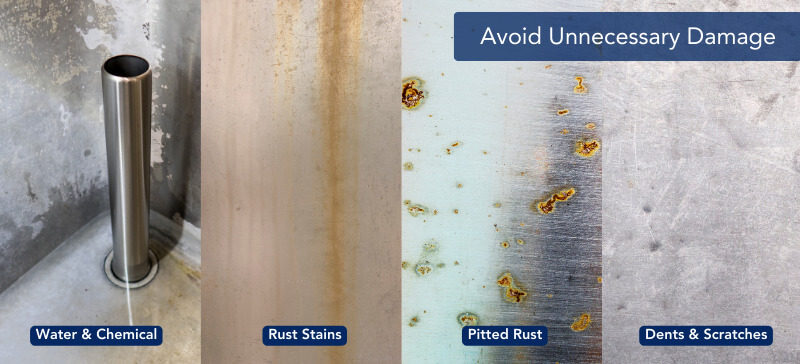
Types of Wear & Tear Associated with Veterinary Stainless Steel
Despite its durability, stainless steel products can still be susceptible to wear, tear, and damage due to various factors. Some common causes include:
Corrosion: Stainless steel is known for its corrosion resistance. However, certain chemicals can still cause damage if they come into prolonged contact with the surface. Strong acids, alkalis, or chlorides can break down the protective oxide layer on stainless steel, leading to corrosion and pitting. This can result in the degradation of the material’s surface and compromise its integrity.
Chemical Reactions: Some chemicals can react with the components of stainless steel, causing discoloration, stains, or etching. For example, bleach, ammonia, or certain acidic cleaners can react with the chromium in stainless steel, resulting in a yellowing or darkening of the surface.
Scratching and Abrasion: Abrasive materials, such as steel wool, scouring pads, or rough brushes, can scratch the surface of stainless steel. These scratches not only affect the appearance but can also create small grooves where dirt, bacteria, and other contaminants can accumulate. Over time, this can lead to corrosion and compromise the sanitary properties of the stainless steel.
Removal of Protective Layer: Stainless steel has a passive oxide layer that protects it from corrosion. Abrasive materials or harsh chemicals can strip away this protective layer, leaving the stainless steel vulnerable to further damage. Once the protective layer is compromised, the stainless steel becomes more susceptible to corrosion and staining.
Physical Damage: In addition to chemical damage, abrasive materials can cause physical damage to stainless steel. Scratches, dents, or deep abrasions can weaken the structure of the material and potentially compromise its functionality.
It is important to note that not all chemicals or abrasive materials will damage stainless steel. Many common cleaning agents, when used correctly and in the appropriate concentration, are safe for stainless steel surfaces. However, it is crucial to read and follow the manufacturer’s recommendations and guidelines to ensure the proper care and cleaning of stainless steel products. When in doubt, it is advisable to test any new cleaning agent or abrasive material on a small, inconspicuous area of the stainless steel surface before applying it extensively.
Avoiding and Reducing Stainless Wear and Tear
To prolong the life of stainless steel products in veterinary facilities and reduce wear and tear, the following measures should be implemented:
Proper Handling: Train staff members on appropriate handling techniques to prevent accidental drops, impacts, or contact with sharp objects.
Regular Maintenance: Establish a routine maintenance schedule to inspect, clean, and address any potential issues promptly.
Use Protective Measures: Employ protective coverings, such as silicone mats or pads, on stainless steel surfaces to minimize scratches and abrasions.
Proper Storage: When possible cover or store stainless steel products in designated areas, away from harsh chemicals, excessive moisture, and extreme temperatures.
Implement Usage Guidelines or Follow Designated Protocols: Develop and communicate guidelines for the appropriate use of stainless steel products, including weight limits and proper sterilization procedures. An example of a basic facility cleaning protocol is listed later in this article.
Disinfectants and the Potential Impact on Stainless Steel
Certain types of disinfectants used in healthcare settings can have a negative effect on stainless steel equipment and furniture if not used properly or if incompatible with the material. While stainless steel is generally resistant to many chemicals, some disinfectants may cause damage, wear, or discoloration under certain conditions. It is important to follow manufacturer recommendations and consider the specific type and grade of stainless steel when selecting and using disinfectants. Here are a few factors to consider:
Compatibility with Stainless Steel Grades: There are different grades of stainless steel, and their resistance to various chemicals may vary. Some disinfectants, particularly those with high concentrations of harsh chemicals or acids, may cause pitting or corrosion on certain grades of stainless steel. It is crucial to consult the manufacturer’s recommendations or seek guidance from the equipment supplier to ensure compatibility.
Concentration and Contact Time: Disinfectants often have specific instructions regarding the recommended concentration and contact time necessary to effectively kill pathogens. Using disinfectants at higher concentrations or for longer durations than recommended may increase the risk of damaging stainless steel surfaces. It is important to strictly adhere to the manufacturer’s instructions.
pH Levels: Some disinfectants may have extreme pH levels, such as highly acidic or alkaline solutions. Prolonged exposure to these extreme pH levels can cause discoloration, etching, or pitting on stainless steel surfaces. It is important to use disinfectants within the acceptable pH range for stainless steel.
Rinse and Dry Thoroughly: After using disinfectants on stainless steel surfaces, it is crucial to thoroughly rinse the surface with clean water to remove any residual disinfectant. Residual disinfectant left on the surface can lead to discoloration or corrosion over time. Additionally, ensuring proper drying after cleaning can help prevent water spots or mineral deposits.
Manufacturer Recommendations: Manufacturers of stainless steel equipment or furniture may provide specific guidelines for cleaning and disinfection. It is important to consult these guidelines to ensure the use of appropriate disinfectants and cleaning methods that are compatible with the specific product.
While there is evidence that some disinfectants can cause damage to stainless steel under certain circumstances, it is worth noting that proper usage and adherence to manufacturer guidelines can help minimize the risk. Healthcare facilities should conduct compatibility tests or consult with manufacturers when introducing new disinfectants or cleaning protocols to ensure the continued integrity and longevity of stainless steel equipment and furniture.
Stainless Steel Equipment Cleaning Protocols in Animal Health
Animal Healthcare facilities often have protocols and guidelines for cleaning stainless steel equipment to ensure proper hygiene and infection control. These protocols outline specific procedures, cleaning agents, and frequency of cleaning to maintain a clean and safe environment. While the specific protocols may vary between healthcare facilities, here is an example of a general protocol for cleaning stainless steel equipment in a healthcare setting:
It’s important for veterinary facilities to develop and regularly review their cleaning protocols for stainless steel equipment to ensure compliance with industry standards and regulations. These protocols should be communicated to staff members through training programs and regularly updated as needed. This will help foster consistent care and proper maintenance of the products and their environment.
Below is an example of a general protocol that could be customized and supplemented with facility-specific guidelines, manufacturer recommendations, and regulatory requirements.
Example Cleaning Protocol
Materials Required:
- Approved stainless steel cleaner/disinfectant (compatible with stainless steel surfaces)
- Microfiber cloths or non-abrasive cleaning pads
- Personal protective equipment (e.g., gloves, aprons)
Procedures:
- Preparation:
- Ensure the availability of necessary cleaning materials and personal protective equipment.]
- Identify the specific stainless steel equipment to be cleaned.
- Perform hand hygiene and wear appropriate personal protective equipment.
- Inspection:
- Inspect the stainless steel equipment for visible dirt, stains, or debris.
- Note any damages or signs of wear that require attention.
- Cleaning Process:
- Dilute the approved stainless steel cleaner/disinfectant as per the manufacturer’s instructions.
- Apply the cleaning solution to a microfiber cloth or non-abrasive cleaning pad.
- Begin cleaning the stainless steel equipment, focusing on high-touch areas and surfaces that come into direct contact with animals or veterinary personnel.
- Wipe the surface gently, following the grain of the stainless steel, to remove dirt, fingerprints, and stains.
- Pay attention to crevices, corners, and joints, ensuring thorough cleaning.
- For stubborn stains, allow the cleaner/disinfectant to dwell for the recommended contact time, as specified by the manufacturer.
- Rinse the cloth or cleaning pad regularly to prevent cross-contamination.
- For larger equipment, use a suitable cleaning method such as spraying the cleaner directly on the surface and wiping it down.
- Avoid using abrasive materials or harsh chemicals that may damage the stainless steel.
- Rinse and Dry:
- Rinse the cleaned stainless steel surface with clean water to remove any residual cleaner/disinfectant.
- Ensure thorough rinsing to eliminate any chemical residues.
- Dry the stainless steel equipment using a clean, lint-free cloth to prevent water spots or mineral deposits.
- Inspection and Maintenance:
- After cleaning, inspect the stainless steel equipment for cleanliness and any residual stains.
- Address any damages, wear, or maintenance issues as per the facility’s maintenance protocols.
- Document any equipment-related concerns or repairs required.
- Disposal of Waste:
- Properly dispose of any used cleaning materials, following the facility’s waste management guidelines.
- Properly dispose of any used cleaning materials, following the facility’s waste management guidelines.
- Record-Keeping:
- Maintain documentation of the cleaning performed, including date, time, and personnel responsible.
Better Maintenance for Long-Term Success
High quality stainless steel is designed to last a lifetime, but caring for these products, equipment, and furnishings is essential to ensure their longevity, performance, and hygienic integrity. By understanding the types of stainless steel products found in veterinary facilities, identifying causes of wear and tear, implementing preventive measures, and following proper cleaning protocols, animal health facilities can maintain the appearance, functionality, and safety of their stainless steel investments. By prioritizing maintenance and cleaning, veterinary professionals can contribute to the overall efficiency and cleanliness of their work environment, ultimately benefiting animal care and safety.