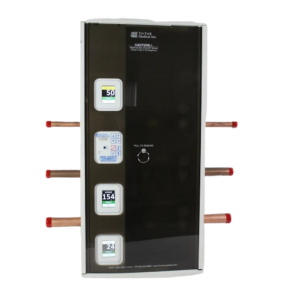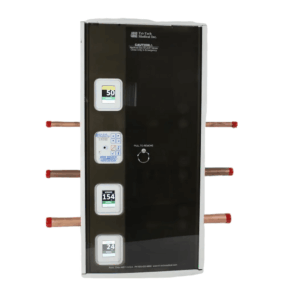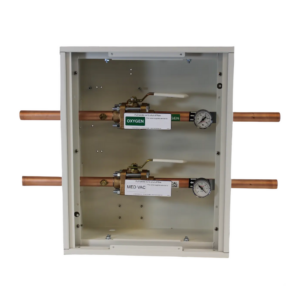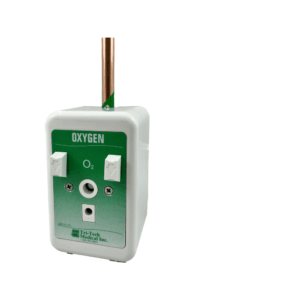
Infinium Veterinary offers the Medical Gas Vertical Zone Valve Box, a vital component for managing medical gas systems in veterinary settings. This vertical configuration allows for space-efficient installation, enabling quick shut-off and isolation of gas lines to specific zones. Ideal for maintaining safety and operational continuity in animal health facilities, it supports a range of gases commonly used in veterinary medicine, ensuring compliance with industry standards for reliable performance.
Advantages
Opting for the Medical Gas Vertical Zone Valve Box brings several key benefits to veterinary professionals. Its vertical design optimizes wall space in compact clinic environments, allowing for more efficient use of available areas. The box enhances safety by providing immediate access to shut-off valves during emergencies, potentially preventing gas leaks and ensuring the well-being of animals and staff. Additionally, its durable construction offers long-term reliability, reducing maintenance needs and contributing to cost savings over time. This makes it a valuable addition for veterinary hospitals seeking dependable gas management solutions that align with the demands of animal care.Features
- Vertical orientation for space-saving installation in veterinary facilities
- Multiple valve configurations to handle various medical gases like oxygen and nitrous oxide
- Lockable doors for security and tamper prevention in busy animal health settings
- Clear labeling and color-coding for quick identification during critical situations
- Robust metal enclosure resistant to corrosion and daily wear in veterinary environments
- Easy-access handles for rapid operation by veterinary staff
- Compatibility with standard medical gas piping systems used in animal hospitals